


In the textile market of 2027, traditional materials such as polyester, cotton and linen will no longer be synonymous with low cost or simplicity; instead, they will have undergone a qualitative leap forward through ‘interdisciplinary technology’ and ‘micro-textured jacquard’.
I. Polyester: Evolving from ‘Synthetic Fibre’ to ‘Smart Protection’ and ‘High Light Sensitivity’
In 2027, the focus of polyester (polyester fibre) development will be on environmental sustainability, recycling and functional integration, with the material continuing to dominate the outdoor and light sports sectors.
- Premium Synthetics:
Core Materials: Recycled Polyester, Mechanically Elastic Polyester.
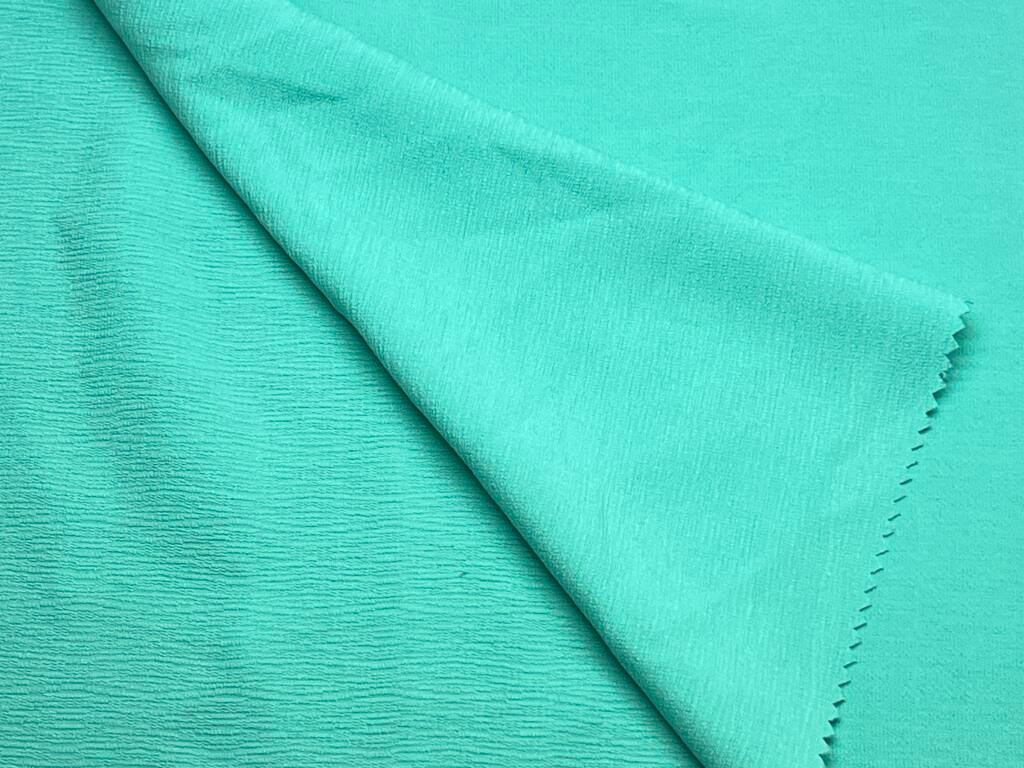
Technical Characteristics: Utilising ultra-fine denier yarns to achieve a ‘smooth yet crisp’ handfeel. Focus on developing integrated fabrics with moisture-wicking, quick-drying, UV protection and water-repellent properties.
Visual Highlights: By 2027, polyester will no longer pursue a cheap, plastic-like feel; instead, oil-wax coatings or micro-gloss laminates will be used to impart a cool, sophisticated and rational aesthetic to the fabric.
- Functional Knitwear:
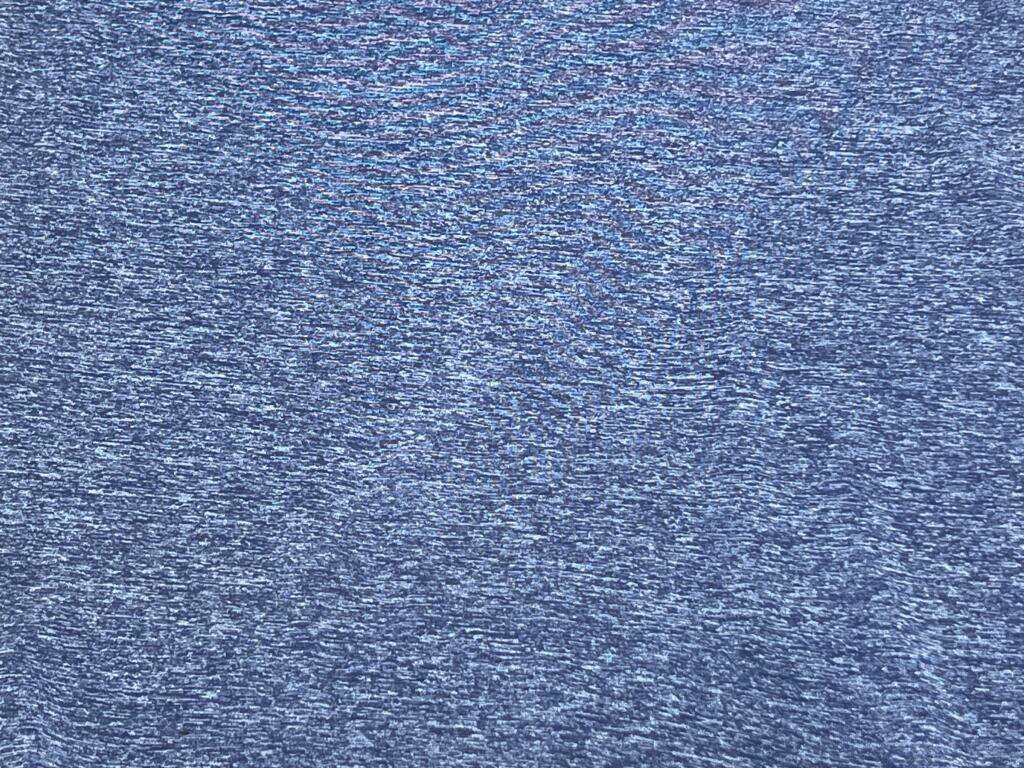
Core Materials: Polyester and spandex blends.
Technical Characteristics: Focus on the development of biodegradable nylon/polyester, combined with antibacterial drape technology. ‘Micro-textured jacquard’ is used to replace plain knitted fabrics, enhancing the fabric’s breathable perforations and airy feel.
II. Cotton-Linen: A Transition from ‘Rustic and Natural’ to ‘Refined and Sophisticated’
For Spring/Summer 2027, cotton-linen fabrics will shed their traditional rough-and-ready image; through interweaving with high-tech fibres, they will present a ‘refined sense of relaxed ease’.
- Refined Linen Weaves :
Core Materials: High-count linen, cotton-linen blends.
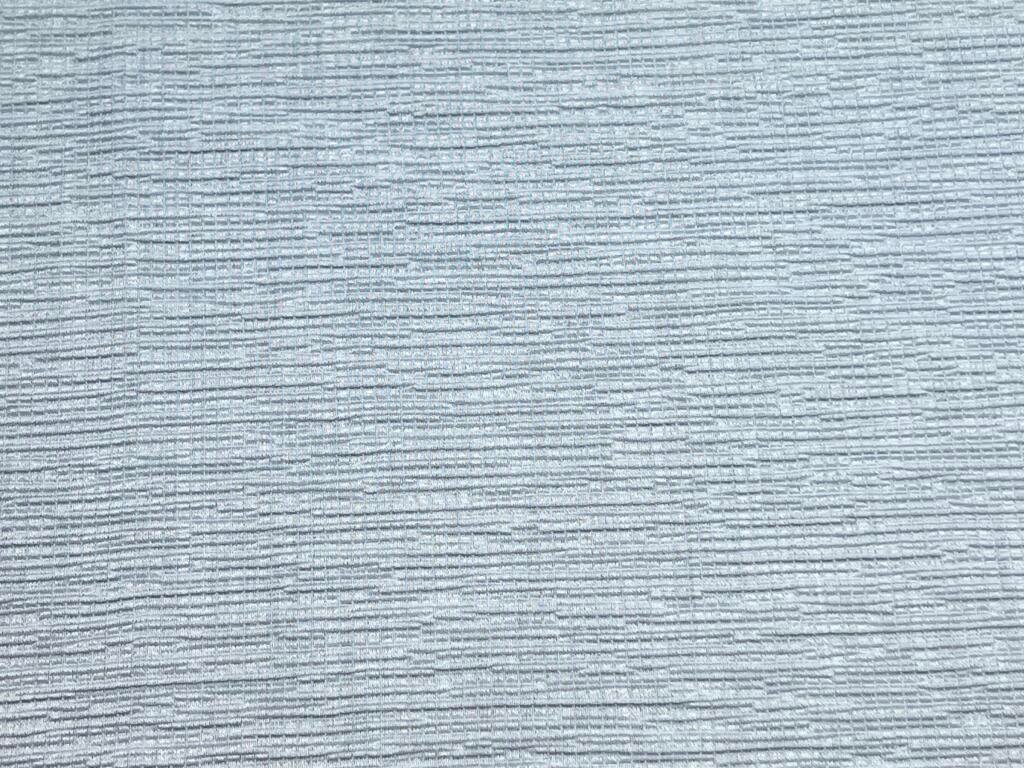
Product Logic: Utilising high-count, high-density twill or plain weave techniques to address the common issues of linen’s tendency to crease and prick the skin.
Visual Highlights: Retaining the ‘knots’ and ‘subtle wrinkles’ characteristic of natural fibres, yet offering a smoother, more even handfeel. This ‘rational natural’ aesthetic is perfectly suited to the minimalist business and commuting styles popular in 2027.
- Rustic Cotton-Linen :
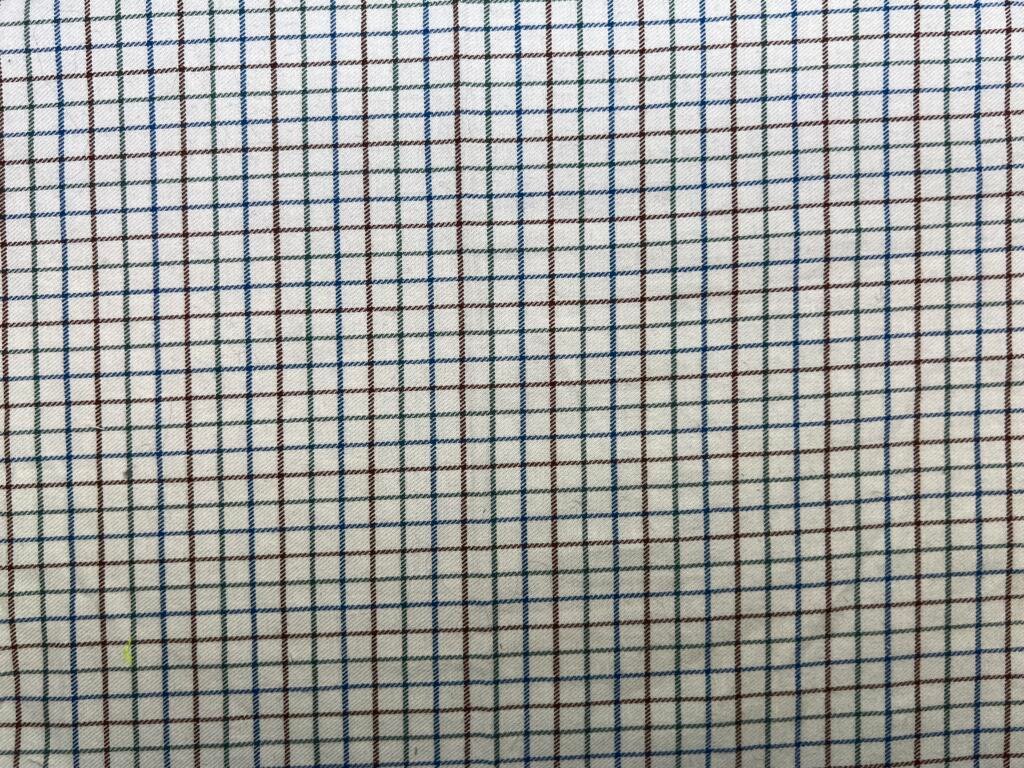
Core Materials: Coarse-count cotton yarn, bulky yarn.
Product Concept: Emphasises long-term sustainability and natural authenticity. By interweaving contrasting yarns to create stripes or checks, it mimics the texture of hand-woven fabrics, catering to consumers’ emotional needs for a ‘slow-living’ lifestyle and a sense of ‘well-being’.
III. Blended Fabrics: The ‘All-Rounder’ of 2027
single-component fabrics are on the decline, with multi-component blends set to be the dominant trend in 2027.
Interweaving of mercerised cotton and functional synthetic fibres: By combining the natural lustre of mercerised cotton with the durability of recycled polyester, high-value-added fabrics are created that offer both the comfort of cotton and technical performance features (such as anti-static properties and quick-drying capabilities).
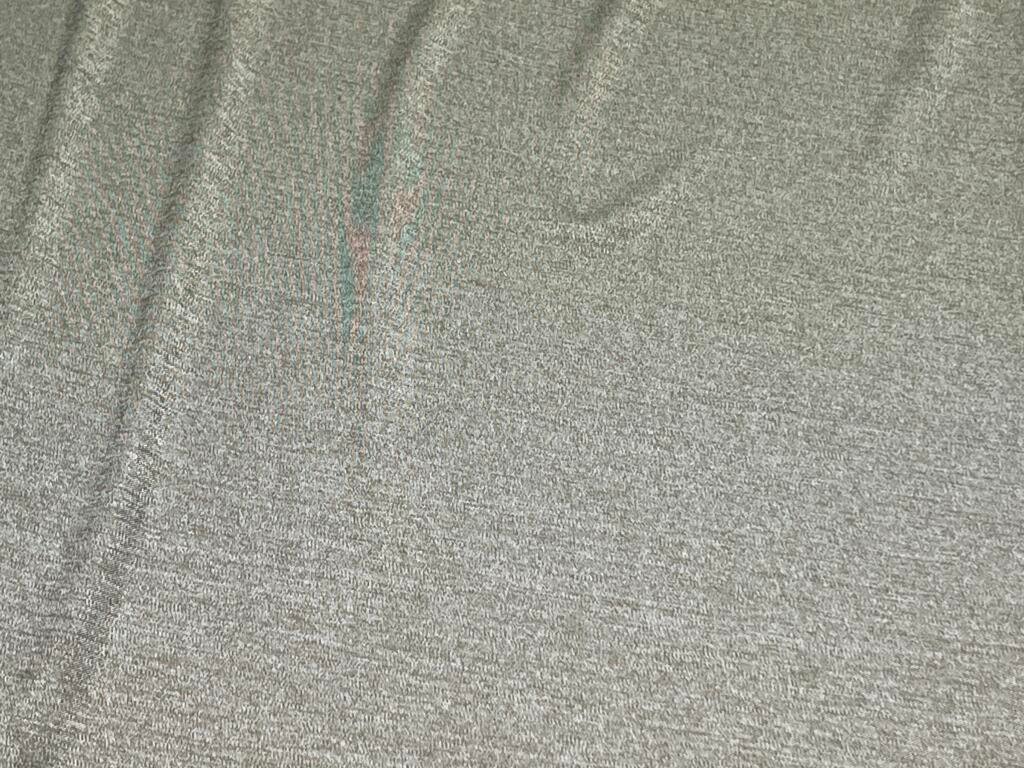
The fusion of viscose/rayon and cotton: This combination offers excellent drape, enhancing the fabric’s fluidity whilst maintaining a cotton-like appearance, making it particularly suitable for lightweight outerwear in spring and summer.

