


As we look toward the 2027 Spring/Summer season, the textile industry is shifting away from aggressive, high-saturation synthetics toward “Emotional Utility.” For manufacturers and trade managers, this means a move toward fabrics that balance technical performance with a soft, natural hand-feel.
The season is defined by three “Key Anchors” that dictate both color palettes and substrate development.
1. Pale Interval (The “Atmospheric” Blue)
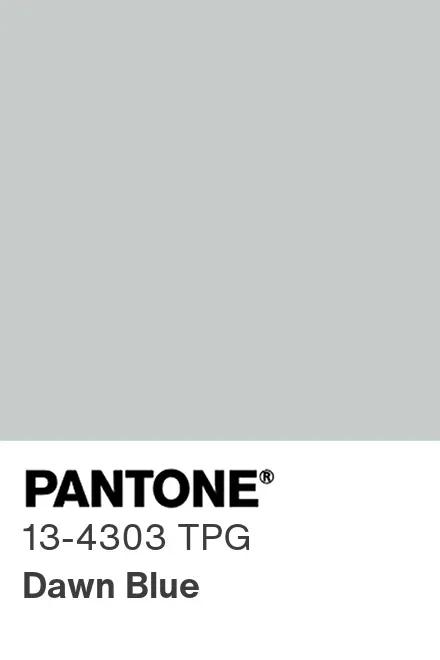
- Market Application: Premium activewear, “athleisure” blouses, and lightweight summer suiting.
- Color Profile: A light, airy blue (PANTONE 13-4303 TPG) designed to reduce the “visual heat” of synthetic fibers. It acts as a cooling agent for the eyes.
- Fabric Strategy: This color is most effective on substrates with optical depth.
- Recommended Constructions: Double-sided acetates with a pearlescent finish, high-twist “water-light” yarns, and semi-transparent organza.
- Technical Focus: Use trilobal polyester or nylon yarns to catch the light, mimicking the shimmer of water.
2. Quiet Emergence (The “Rational” Green)

- Color Profile: A grounded, mid-tone green (PANTONE 15-6307 TPG) that sits between forest naturalism and industrial precision. It reflects a consumer desire for “long-termism” and durability.
- Fabric Strategy: Focus on tactile maturity—fabrics that look synthetic but feel organic.
- Recommended Constructions: High-density “paper-touch” nylons, mechanical stretch ripstops, and recycled polyester blends with a matte, chalky finish.
- Technical Focus: Apply DWR (Durable Water Repellent) coatings and “low-noise” finishes that eliminate the crinkling sound typically associated with chemical fibers.
- Market Application: Urban outdoor gear, technical trench coats, and high-performance cycling or golf apparel.
3. Soft Volume (The “Structural” White)

- Color Profile: A low-contrast, creamy white (PANTONE 11-0608 TPG) that replaces the harsh, bleached whites of previous seasons. It serves as a “Neutral Anchor” for multi-functional collections.
- Fabric Strategy: Emphasis on volume without weight.
- Recommended Constructions: Ultra-fine denier sun-protection fabrics, 3D-textured spacers, and “chemical-linen” blends (polyester/viscose) that mimic the slubby texture of flax.
- Technical Focus: Focus on UV-cut functionality and moisture-wicking properties. The goal is a “skin-friendly” synthetic that maintains structural integrity.
- Market Application: Essential base
The SS2027 Production Matrix
To assist in collection planning, the trend report suggests a three-tier approach to color-to-fabric mapping:
| Tier | Purpose | Suggested PANTONE Refs | Best Substrates |
| Active Trends | High-impact, seasonal highlights | 13-4306 (Fice Melt), 18-1660 (Tomato) | High-shine satins, mesh, vibrant knits |
| Base Neutrals | Core volume, low-risk inventory | 15-1225 (Sand), 15-4005 (Silver) | Twills, poplins, high-elasticity blends |
| Bridge Tones | Multi-season continuity | 13-0210 (Fog Green) | Micro-texture dobby, matte crêpe |


