


In the global trade of apparel, the difference between a high-end garment and a mass-market product often comes down to the microscopic level: the fiber, the weave, and the finishing. When selecting fabric for shirts, it is essential to look beyond the “hand feel” and evaluate the technical performance and structural integrity of the textile.
For professionals managing production and exports, understanding these parameters ensures that the final garment meets both aesthetic standards and functional requirements.
1. Fiber Composition and Performance
The foundation of any shirt is its fiber profile. The choice between natural, synthetic, or blended fibers dictates the garment’s breathability and durability.
- Cotton (The Industry Gold Standard): Long-staple cotton (like Pima or Egyptian) is prized for its tensile strength and smooth surface. It offers superior moisture absorption, making it ideal for classic dress shirts.
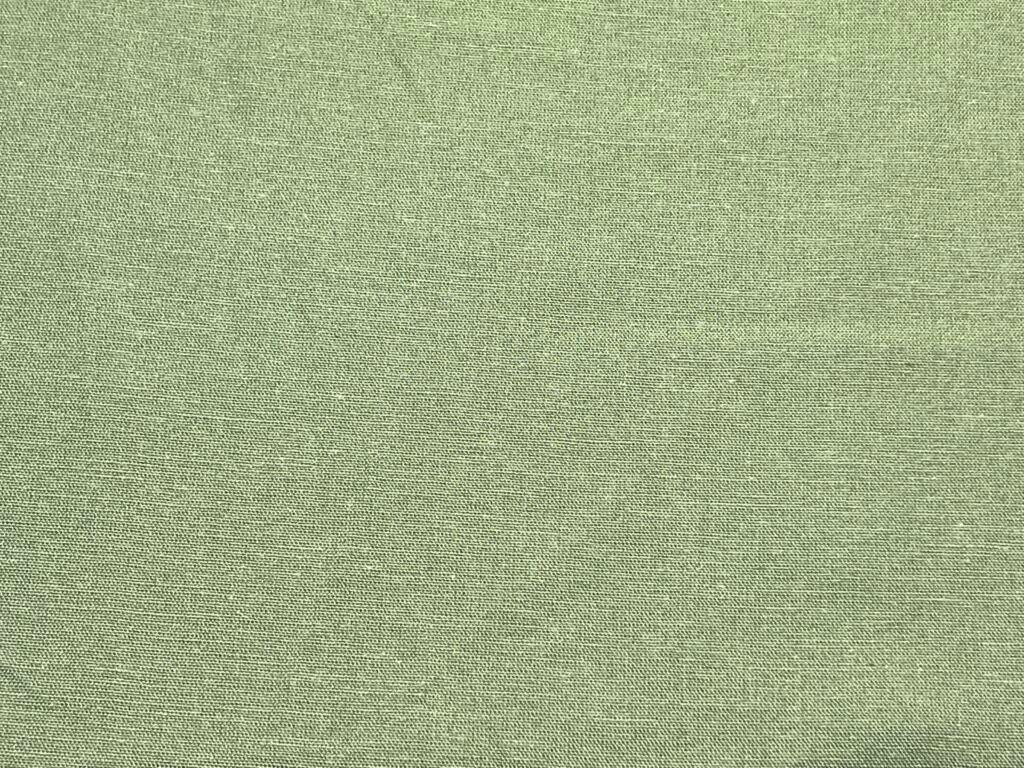
- Linen: Known for its irregular slub texture, linen provides maximum airflow. In modern trade, it is often blended with cotton or rayon to reduce its tendency to wrinkle while maintaining its “luxury-casual” appeal.
- Synthetics (Nylon & Polyester): These fibers are essential for performance shirts. They provide “easy-care” properties, such as wrinkle resistance and quick-dry capabilities.
- Blends (Spandex/Elastane): Incorporating 3% to 5% Spandex into a cotton or polyester base is the standard for “stretch” shirts, allowing for a slim, fashionable fit without sacrificing the wearer’s mobility.
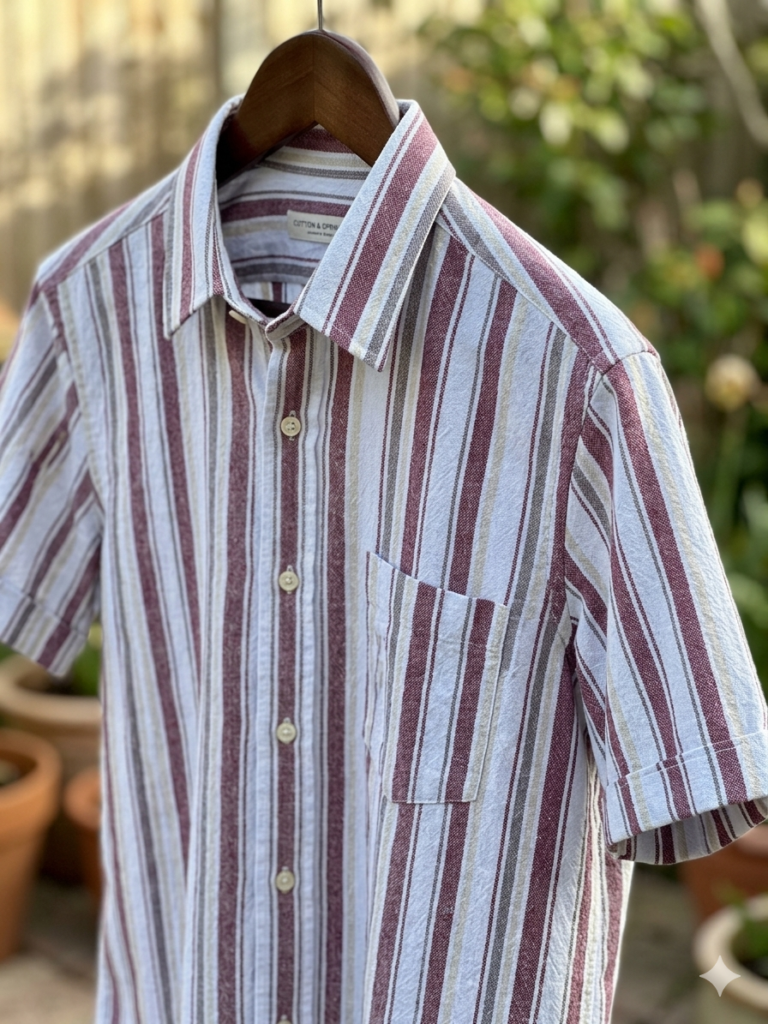
Code: ZN253675 100%Cotton
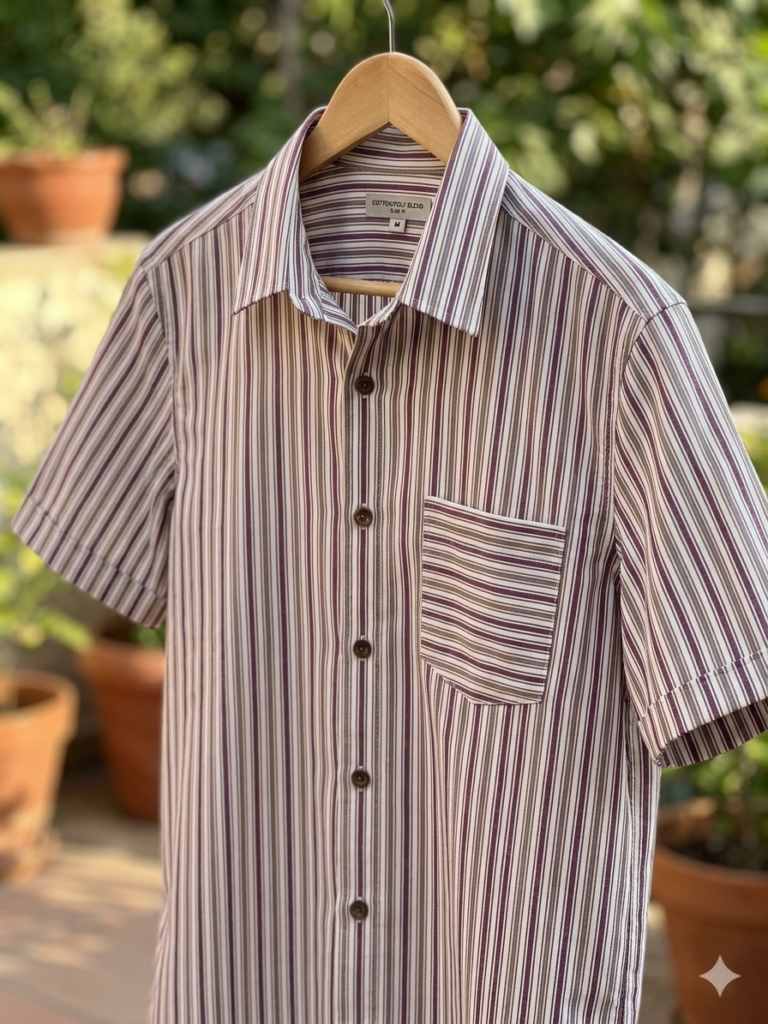
Code: ZN253662 35%C 65%P
2. Weave Structures: Texture vs. Formality
The way yarns are interlaced determines the fabric’s weight and visual character.
| Weave Type | Characteristics | Best Use Case |
| Poplin/Broadcloth | Plain weave, tightly woven, very smooth. | Formal Business Shirts |
| Twill | Diagonal ribbing, heavier drape, hides stains well. | Workwear & Casual Button-downs |
| Oxford | Basketweave using heavier yarns; durable and textured. | Classic “Preppy” or Casual Shirts |
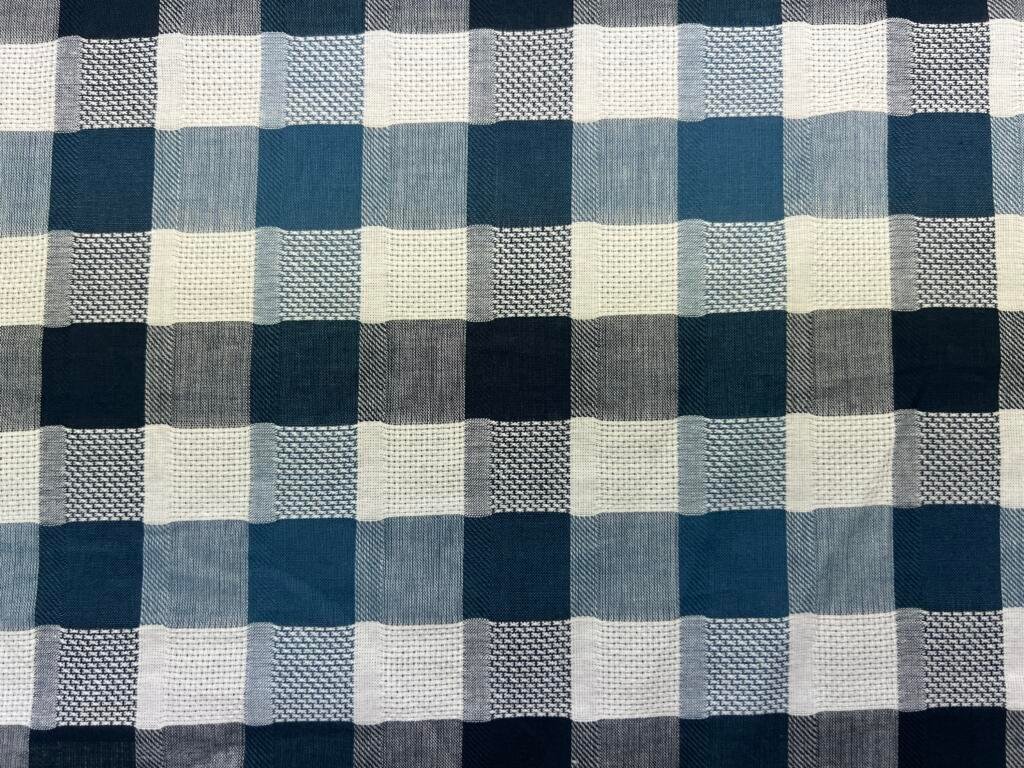
| Dobby/Jacquard | Geometric patterns woven into the fabric. | High-fashion & Decorative Shirts |
3. Technical Specifications: Weight and Count
When sourcing fabric, the technical “spec sheet” is your roadmap.
- Thread Count: Higher counts (e.g., 80s, 100s, or 120s) indicate finer yarns and a softer, more luxurious touch.
- GSM (Grams per Square Meter): For shirting, a weight of 100–140 GSM is standard. Fabrics below 100 GSM are lightweight and sheer, while those above 150 GSM transition into heavy “overshirt” or utility categories.
4. Advanced Finishes and Treatments
In a competitive export market, specialized finishes add significant value to a textile:
- Mercerization: A chemical treatment for cotton that increases luster and dye affinity.
- Crinkle/Seersucker Effects: Mechanical or chemical finishes that create permanent texture, reducing the need for ironing—a popular choice for contemporary women’s apparel.
- Non-Iron/Easy-Care: Resins applied to the fabric to stabilize the fibers against creasing.

